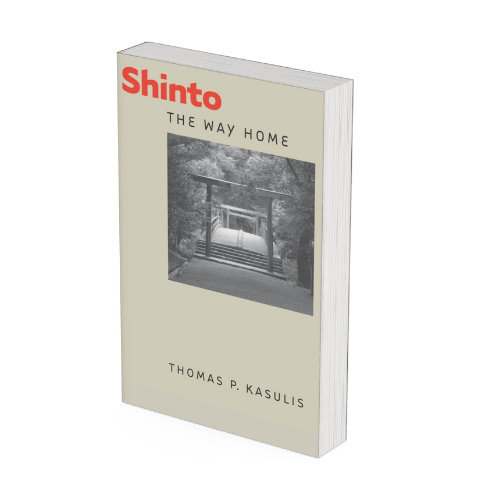
Shinto: The Way Home
by Thomas P. Kasulis
Thomas P. Kasulis is a leading philosopher and an expert in Asian spirituality and thought. He writes extensively about the influence of Japanese philosophy, religion, and culture on humanity. Kasulis held distinguished academic posts including professor at Ohio State University. His work merges the different traditions of East and West with depth and accessibility. Kasulis bridges cultural divides, presenting an Asian spirituality that is accessible to Western readers.
The Shinto Way Home by Thomas P. Kasulis is an epic exploration of Shinto, the native spirituality of Japan. It has, as opposed to many religious traditions that may not be so much about religion but about belief system, religion but about practice that revolve around practice, ritual, and nature. Kasulis portrays Shinto from the perspective of a way of life rather than simply as a religion, in which connection with the natural world and harmony with the environment and living an integrated life, respect for the ancestors and one’s place for nature, are valued.
Shinto is a very well developed spiritual system in the book and is covered through quite a few cohesive theme sections. Kasulis starts by examining Shinto’s ancient roots in Japan’s culture. He describes fundamental rituals of Shinto, including worship of kami spirits. A major theme is Shinto’s idea of “home” and belonging. That’s the corporeal and spiritual connection, ritual and community. Shinto seeks to be in harmony with nature and spiritual powers. Kasulis also covers the relationship between Shinto and Buddhism in Japan.
He describes each tradition’s role in shaping and elaborating upon the others. As they play off each other, the mix forms a distinctive dynamic with which Japanese spirituality is dynamic and developing.
That active hybrid illustrates Shinto’s ever-changing, breathing religion of the moment. When I read Shinto: The Way Home I expanded my understanding of spirituality, belonging, and nature.
Kasulis presents Shinto as a way of life independent of doctrines or beliefs. It counters the Western concept of religion as stable or systematised frameworks. Instead, Shinto is felt through ritual, connection and deep place. This is the way I think and what it is that leads me to try to make therapy so grounded in lived experience.
Kasulis highlights “home” as important for identity, place, and wellbeing.
Most of the clients I work with seem to feel disconnected from their home, their surrounding, their community, their world. Shinto’s emphasis on the environment and ancestors presents an appealing model for connection. Kasulis also examines the ways in which Shinto and Buddhism have evolved, enriching spirituality.
Shinto has some important therapeutic practices that align with the need for holistic care.
Clients and colleagues can take that from Kasulis with them too, I suggest and include: “Shinto: The Way Home.
Get in touch with your environment; Be aware it informs your identity and your health.
This is what we need to do.
Practice Rituals to Connect with Others: Work in rituals to enhance connectedness.
Value Fluidity in Spirituality: Be agnostic and embrace other forms of spirituality, recognizing that spirituality is not static but changes over time and with experience.
Ground Therapy on the Ground Experience: Instead of laying down a strict framework you are able to provide, and that the client’s lived experience and not an order imposed, allows the therapy to become personalised and meaningful.
Foster a Sense of Belonging: Promote practices that foster an attachment to the environment, community, history, and connection to a sense of belonging and place.
In Summary.
“Shinto: The Way Home,” by Thomas P. Kasulis, describes Shinto as a way of life that focuses on harmony in nature and respect for the ancestors as well as place. Shinto as living religion is a spiritual tradition represented in the lives lived throughout a society’s rituals and through people. For Western world knowledge of religion it really offers a valuable resource.
Shinto: The Way Home
by Thomas P. Kasulis
Thomas P. Kasulis is a leading philosopher and an expert in Asian spirituality and thought. He writes extensively about the influence of Japanese philosophy, religion, and culture on humanity. Kasulis held distinguished academic posts including professor at Ohio State University. His work merges the different traditions of East and West with depth and accessibility. Kasulis bridges cultural divides, presenting an Asian spirituality that is accessible to Western readers.
The Shinto Way Home by Thomas P. Kasulis is an epic exploration of Shinto, the native spirituality of Japan. It has, as opposed to many religious traditions that may not be so much about religion but about belief system, religion but about practice that revolve around practice, ritual, and nature. Kasulis portrays Shinto from the perspective of a way of life rather than simply as a religion, in which connection with the natural world and harmony with the environment and living an integrated life, respect for the ancestors and one’s place for nature, are valued.
Shinto is a very well developed spiritual system in the book and is covered through quite a few cohesive theme sections. Kasulis starts by examining Shinto’s ancient roots in Japan’s culture. He describes fundamental rituals of Shinto, including worship of kami spirits. A major theme is Shinto’s idea of “home” and belonging. That’s the corporeal and spiritual connection, ritual and community. Shinto seeks to be in harmony with nature and spiritual powers. Kasulis also covers the relationship between Shinto and Buddhism in Japan.
He describes each tradition’s role in shaping and elaborating upon the others. As they play off each other, the mix forms a distinctive dynamic with which Japanese spirituality is dynamic and developing.
That active hybrid illustrates Shinto’s ever-changing, breathing religion of the moment. When I read Shinto: The Way Home I expanded my understanding of spirituality, belonging, and nature.
Kasulis presents Shinto as a way of life independent of doctrines or beliefs. It counters the Western concept of religion as stable or systematised frameworks. Instead, Shinto is felt through ritual, connection and deep place. This is the way I think and what it is that leads me to try to make therapy so grounded in lived experience.
Kasulis highlights “home” as important for identity, place, and wellbeing.
Most of the clients I work with seem to feel disconnected from their home, their surrounding, their community, their world. Shinto’s emphasis on the environment and ancestors presents an appealing model for connection. Kasulis also examines the ways in which Shinto and Buddhism have evolved, enriching spirituality.
Shinto has some important therapeutic practices that align with the need for holistic care.
Clients and colleagues can take that from Kasulis with them too, I suggest and include: “Shinto: The Way Home.
Get in touch with your environment; Be aware it informs your identity and your health.
This is what we need to do.
Practice Rituals to Connect with Others: Work in rituals to enhance connectedness.
Value Fluidity in Spirituality: Be agnostic and embrace other forms of spirituality, recognizing that spirituality is not static but changes over time and with experience.
Ground Therapy on the Ground Experience: Instead of laying down a strict framework you are able to provide, and that the client’s lived experience and not an order imposed, allows the therapy to become personalised and meaningful.
Foster a Sense of Belonging: Promote practices that foster an attachment to the environment, community, history, and connection to a sense of belonging and place.
In Summary.
“Shinto: The Way Home,” by Thomas P. Kasulis, describes Shinto as a way of life that focuses on harmony in nature and respect for the ancestors as well as place. Shinto as living religion is a spiritual tradition represented in the lives lived throughout a society’s rituals and through people. For Western world knowledge of religion it really offers a valuable resource.
“Resilience is not about bouncing back. It’s about bouncing forward into a new reality.”
Recent Thoughts
Performance Lab Environment for Mental Clarity and Focus
High performers are seldom incompetent. They struggle with carryover. Carryover of stress. Carryover of emotion. Carryover of intensity from one room to another.

High Performance Without Burnout
When work is in the high performers’ way, it is very addictive. They are quick, decisive, disciplined, competitive and outcome-oriented. They raise standards.