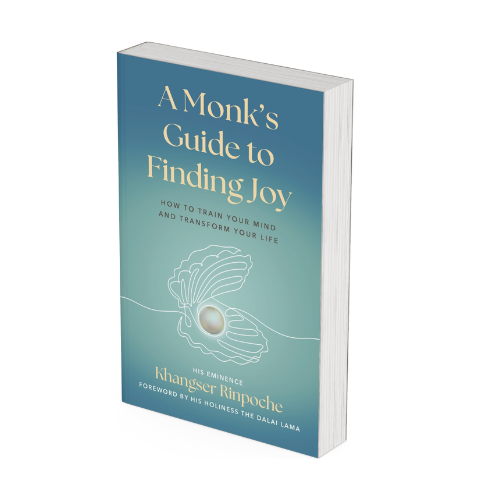
A Monk’s Guide to Finding Joy
by Gelong Thubten
Gelong Thubten is a Buddhist monk, meditation teacher, and author of books that aim to make mindfulness and compassion accessible to contemporary audiences. Ordained in the Tibetan tradition for over 25 years, he continues to teach meditation all over the world with a blend between ancient wisdom combined with contemporary resonance. Thubten works with universities, businesses, schools, and hospitals looking for practical, actionable techniques for improving well-being, resilience as well as inner peace.
A Monk’s Guide to Finding Joy explains how mindfulness and meditation can change life and help achieve lasting joy. According to Thubten, real happiness cannot be measured in any time passing; it is internal because happiness doesn’t depend on what the world and people’s lives are like. He has step-by-step mindfulness practices, focused around presence in both yourself and others, compassion around him. This book covers obstacles including stress and unproductive negative thinking that we face so that we can re-frame our thoughts and accept that things are passing. Thubten weaves in personal stories to illustrate mindfulness’s power, intertwining ancient teachings with practical advice for cultivating a sense of emotional stability.
It was very reflective in the process of reading this book and deep to me, re-affirmed the part that mindfulness played in my own meaningful life. Thubten’s perspective on joy as an inward joy that is not externally based connects with my therapeutic philosophy. His easy-access meditation advice, particularly with regard to self-compassion and non-judgement, promotes emotional resilience. There are a lot of ways to fight stress and negative thinking that are so very relevant in a fast track world like today. Thubten’s personal anecdotes add authenticity, reminding us mindfulness helps us engage more fully and compassionately with life.
I’d Say Clients and Colleagues Should Incorporate These Strategies!
Look Beyond the Existence: Find joy within yourself, even outside your reality. Use Mindfulness or Meditation: Use regular mindfulness to increase self-awareness to relieve stress.
Foster Self-Compassion: Be patient and open to learning from self-acceptance.
Shift Negative Thinking: Find the right way to see and shift negative thoughts.
Accept Impermanence: Give up attachments to decrease suffering and create peace. Enjoy Life to the Full: Be present and open as you live your day.
In Summary.
Gelong Thubten’s A Monk’s Guide to Finding Joy teaches practical mindfulness and meditation tools to find that enduring joy and peace. This is an essential reading that brings together ancient wisdom, modern practice, for anyone in need of improved mental and emotional well being.
“The greatest glory in living lies not in never falling, but in rising every time we fall.”
Recent Thoughts

Performance Lab Environment for Mental Clarity and Focus
High performers are seldom incompetent. They struggle with carryover. Carryover of stress. Carryover of emotion. Carryover of intensity from one room to another.

High Performance Without Burnout
When work is in the high performers’ way, it is very addictive. They are quick, decisive, disciplined, competitive and outcome-oriented. They raise standards.