Speaking Peace by Marshall B. Rosenberg
The Author.
Marshall B. Rosenberg was a clinical psychologist and the creator of Nonviolent Communication, commonly called NVC. He spent his life teaching others the magic of empathy and authentic dialogue. Through his decades of research on conflict zones, schools, prisons and families, Rosenberg has taught that peace starts from how we speak and listen. His teaching is not simply theoretical but very human and practical. His voice is warm and challenging — inviting people to consider how they talk to one another when they read and listen, to replace judgment with curiosity and blame with compassion.
—. Summary of “Speaking Peace”.
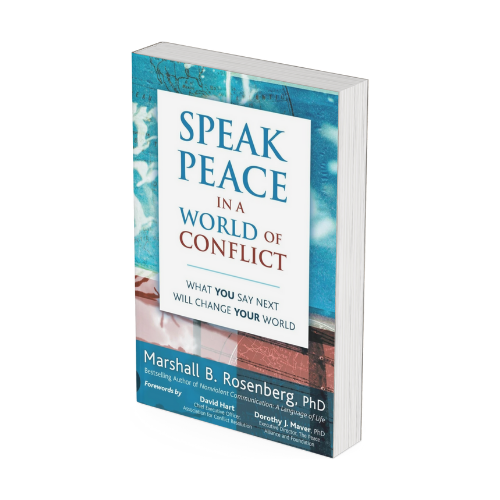
In Speaking Peace: Connecting with Others Through Nonviolent Communication, Marshall Rosenberg discusses the way that words can establish bridges or walls between people. What’s more, the book is grounded in the concepts of Nonviolent Communication, a practice he created to inspire understanding, connection and respect.
Most conflicts, Rosenberg describes, are the result of the way we speak, and don’t go away, we end up alienating. He explains how we commonly weave our emotions, wants and preconceived notions together, resulting in our defense and emotional detachment. With practical examples and his own anecdotes he shows us how there is more to speaking accurately from the heart and showing what we feel and require without blame and condemnation.
The book has a handy structure, easy but effective observation without judgment, honesty in emotions, identifying needs and asking for directions. The following four elements are the basis for open communication and a compassionate conversation. Rosenberg points out to his readers that empathy is not agreement. It’s about really listening and understanding another’s experience.
Speaking Peace becomes part of our daily lives more than words. He shows all conversation–however carefully and deliberately, a whole host of words may be used to promote mutual understanding or even intensify the separation between each other. The book invites us to become more aware of our words, and to put them to use as instruments for healing and cooperation.
—
My Perspective “Speaking Peace”. Speaking Peace resonated with me personally and professionally. As a mental health and coaching professional communication is part and parcel of my day-to-day. But this book has reminded me of how easily we slip into talking habits that separate us from others, even when our intentions are well-intended. Rosenberg reduces communication to something profoundly human: Our desire to be heard, our desire to be understood.
What I like best about this is how effective his approach is. He does not deploy complex theories or terminology. He talks about real conversations — when someone feels like one doesn’t hear them at any point, when anger starts to take hold, or when empathy can turn the entire conversation entirely around. His examples from conflict zones and family disputes demonstrate that the principles apply anywhere.
Me, I thought about how often I listen with the idea of responding. The book made me consider how much more I can process someone’s words through my own perception. Rosenberg’s reminder that empathy isn’t going to be fixing, advising or comparing others but simply paying attention, powerful as well. In my work with clients,.
I’m often aware that unmet needs are frequently at the source of tension — needs for respect, connection, agency. Speaking Peace provides a mechanism to name these needs, and to vocalize them so that they do not go unpulled in the way of attacking someone else. It turns conversations that might balloon into possibilities for connection.
I also appreciated Rosenberg’s frankness about how hard this practice can be. Nonviolent Communication seems easy; living it really takes awareness, humility and courage. It means slowing down and selecting language that means care, not control. It’s a sense of accountability for our own feeling instead of projecting it outward. For me, the book affirmed that communication is not only about getting point across; it is about building trust. In therapy, in coaching, in relationships –trust is everything. When we’ve been the voice of empathy and honesty, we make people feel safe enough to share. That is how transformation occurs.
—
I Promote the teachings from “Speaking Peace” to My Clients and Colleagues.
Learn to distinguish observation from judgment. Explain what you see but without either assigning labels or criticizing.
Naming and expressing feelings instead of blaming individuals is a practice, too.
Identify what truly needs to be done for feelings — these are the seeds of genuine conversation.
Replace demands with clear, polite requests.
Listen to understand, not to answer, not to resolve.
Good presence over advice. Apply empathy as something you practice every day, not just when you’re in conflict.
Look at the ways your language creates distance and select words which bring you closer.
Model empathy in your sessions, teams and families.
Remember when it comes to discussion it’s the connection rather than agreement between you that lies at issue.
With a real world audience at the table and your own personal conversations open up.
“Keep on practicing, especially when it’s hard — true peace begins with regular practice.
—
In Summary.
When people talk to each other, it is said that this is how we create the world; “Speaking Peace” has this lesson. Rosenberg’s message is simple: speak honestly, listen warmly, and act compassionately. Whether in therapy, leadership and life in general, these principles turn the act of communication into path toward truly intimate connections that last forever.
The Author
Marshall B. Rosenberg was a clinical psychologist and the creator of Nonviolent Communication, often called NVC. He dedicated his life to helping people understand the power of empathy and authentic dialogue. Through decades of work in conflict zones, schools, prisons, and families, Rosenberg showed that peace begins with how we speak and listen. His teaching is not just theoretical but deeply human and practical. His voice carries both warmth and challenge—inviting people to look at their own communication habits and replace judgment and blame with curiosity and compassion.
—
Summary of “Speaking Peace”
In Speaking Peace: Connecting with Others Through Nonviolent Communication, Marshall Rosenberg explores how words can either build bridges or walls between people. The book is based on the principles of Nonviolent Communication, a method he developed to foster understanding, connection, and mutual respect.
Rosenberg explains that most conflicts arise because we speak in ways that alienate rather than connect. He describes how we often mix our feelings, needs, and judgments, leading to defensive reactions and emotional distance. Through clear examples and personal stories, he demonstrates how we can instead speak from the heart, expressing what we feel and need without blame or criticism.
The book offers a simple yet powerful structure: observing without evaluating, expressing feelings honestly, identifying needs, and making clear requests. These four components form the foundation for communication that values both honesty and empathy. Rosenberg reminds readers that empathy is not agreement—it is a willingness to deeply listen and understand another’s experience.
Speaking Peace is more than a communication guide; it is a philosophy of life. Rosenberg’s message is that peace is not achieved through force or compromise but through connection. He shows that every conversation can either contribute to harmony or deepen division, depending on our intention and presence. The book invites us to become conscious of our words and to use them as tools for healing and cooperation.
—
My Thoughts on “Speaking Peace”
Reading Speaking Peace hit me on a personal and professional level. As someone who works in the field of mental health and coaching, communication is my daily tool. Yet, this book reminded me how often we fall into habits of talking that disconnect us from others—even when our intentions are good. Rosenberg strips communication down to something deeply human: our need to be understood and to understand.
What I appreciate most about his approach is how practical it is. He doesn’t use complicated theories or language. He talks about real conversations—moments where someone feels unheard, where anger takes over, or where empathy could change the entire direction of a dialogue. His examples from conflict zones and family disputes prove that the principles work anywhere.
Personally, I found myself reflecting on how often I listen with the intent to reply instead of understand. The book made me more aware of how quick I can be to interpret someone’s words through my own filters. Rosenberg’s message that empathy is not fixing, advising, or comparing, but simply being fully present, was a powerful reminder.
In my work with clients, I see how unmet needs often sit at the heart of tension—needs for respect, belonging, or autonomy. Speaking Peace offers a framework to name these needs and to express them without attacking others. It turns conversations that could escalate into opportunities for connection.
I also appreciated Rosenberg’s honesty about how challenging this practice can be. Nonviolent Communication sounds simple, but living it requires awareness, humility, and courage. It means slowing down and choosing words that reflect care rather than control. It’s about taking responsibility for our own feelings instead of projecting them outward.
For me, this book reinforced that communication is not just about getting a point across; it’s about building trust. In therapy, in coaching, in relationships—trust is everything. When we speak with empathy and honesty, people feel safe enough to open up. That’s where transformation happens.
—
I Encourage Clients and Colleagues to Incorporate the Teachings from “Speaking Peace”
Learn to separate observation from judgment. Describe what you see without labeling or criticizing.
Practice naming and expressing feelings instead of blaming others for them.
Identify the real needs behind emotions—these are the roots of meaningful dialogue.
Replace demands with clear, respectful requests.
Listen to understand, not to respond or fix. Presence is more powerful than advice.
Use empathy as a daily practice, not a tool only for conflict.
Notice when your language builds distance and choose words that bring you closer.
Model compassionate communication in your sessions, teams, and families.
Remember that connection, not agreement, is the goal of communication.
Keep practicing, especially when it’s hard—real peace starts with consistent effort.
—
In Summary
Speaking Peace is a reminder that how we talk to one another shapes the world we live in. Rosenberg’s message is simple: speak with honesty, listen with empathy, and act with compassion. Whether in therapy, leadership, or daily life, these principles turn communication into a path toward real connection and lasting peace.
Speaking Peace by Marshall B. Rosenberg
The Author
Marshall B. Rosenberg was a clinical psychologist and the creator of Nonviolent Communication, often called NVC. He dedicated his life to helping people understand the power of empathy and authentic dialogue. Through decades of work in conflict zones, schools, prisons, and families, Rosenberg showed that peace begins with how we speak and listen. His teaching is not just theoretical but deeply human and practical. His voice carries both warmth and challenge—inviting people to look at their own communication habits and replace judgment and blame with curiosity and compassion.
—
Summary of “Speaking Peace”
In Speaking Peace: Connecting with Others Through Nonviolent Communication, Marshall Rosenberg explores how words can either build bridges or walls between people. The book is based on the principles of Nonviolent Communication, a method he developed to foster understanding, connection, and mutual respect.
Rosenberg explains that most conflicts arise because we speak in ways that alienate rather than connect. He describes how we often mix our feelings, needs, and judgments, leading to defensive reactions and emotional distance. Through clear examples and personal stories, he demonstrates how we can instead speak from the heart, expressing what we feel and need without blame or criticism.
The book offers a simple yet powerful structure: observing without evaluating, expressing feelings honestly, identifying needs, and making clear requests. These four components form the foundation for communication that values both honesty and empathy. Rosenberg reminds readers that empathy is not agreement—it is a willingness to deeply listen and understand another’s experience.
Speaking Peace is more than a communication guide; it is a philosophy of life. Rosenberg’s message is that peace is not achieved through force or compromise but through connection. He shows that every conversation can either contribute to harmony or deepen division, depending on our intention and presence. The book invites us to become conscious of our words and to use them as tools for healing and cooperation.
—
My Thoughts on “Speaking Peace”
Reading Speaking Peace hit me on a personal and professional level. As someone who works in the field of mental health and coaching, communication is my daily tool. Yet, this book reminded me how often we fall into habits of talking that disconnect us from others—even when our intentions are good. Rosenberg strips communication down to something deeply human: our need to be understood and to understand.
What I appreciate most about his approach is how practical it is. He doesn’t use complicated theories or language. He talks about real conversations—moments where someone feels unheard, where anger takes over, or where empathy could change the entire direction of a dialogue. His examples from conflict zones and family disputes prove that the principles work anywhere.
Personally, I found myself reflecting on how often I listen with the intent to reply instead of understand. The book made me more aware of how quick I can be to interpret someone’s words through my own filters. Rosenberg’s message that empathy is not fixing, advising, or comparing, but simply being fully present, was a powerful reminder.
In my work with clients, I see how unmet needs often sit at the heart of tension—needs for respect, belonging, or autonomy. Speaking Peace offers a framework to name these needs and to express them without attacking others. It turns conversations that could escalate into opportunities for connection.
I also appreciated Rosenberg’s honesty about how challenging this practice can be. Nonviolent Communication sounds simple, but living it requires awareness, humility, and courage. It means slowing down and choosing words that reflect care rather than control. It’s about taking responsibility for our own feelings instead of projecting them outward.
For me, this book reinforced that communication is not just about getting a point across; it’s about building trust. In therapy, in coaching, in relationships—trust is everything. When we speak with empathy and honesty, people feel safe enough to open up. That’s where transformation happens.
—
I Encourage Clients and Colleagues to Incorporate the Teachings from “Speaking Peace”
Learn to separate observation from judgment. Describe what you see without labeling or criticizing.
Practice naming and expressing feelings instead of blaming others for them.
Identify the real needs behind emotions—these are the roots of meaningful dialogue.
Replace demands with clear, respectful requests.
Listen to understand, not to respond or fix. Presence is more powerful than advice.
Use empathy as a daily practice, not a tool only for conflict.
Notice when your language builds distance and choose words that bring you closer.
Model compassionate communication in your sessions, teams, and families.
Remember that connection, not agreement, is the goal of communication.
Keep practicing, especially when it’s hard—real peace starts with consistent effort.
—
In Summary
Speaking Peace is a reminder that how we talk to one another shapes the world we live in. Rosenberg’s message is simple: speak with honesty, listen with empathy, and act with compassion. Whether in therapy, leadership, or daily life, these principles turn communication into a path toward real connection and lasting peace.
“Leadership is not about being in charge. It is about taking care of those in your charge.“
Recent Thoughts

Performance Lab Environment for Mental Clarity and Focus
High performers are seldom incompetent. They struggle with carryover. Carryover of stress. Carryover of emotion. Carryover of intensity from one room to another.

High Performance Without Burnout
When work is in the high performers’ way, it is very addictive. They are quick, decisive, disciplined, competitive and outcome-oriented. They raise standards.