The Little Book of Hygge
by Meik Wiking
Danish writer and researcher Meik Wiking researches happiness, well-being, and the quality of life. As CEO of the Happiness Research Institute in Copenhagen, he is known for his relaxed style as well as his profound acquaintance with Scandinavian culture—especially Danish traditions.
His books, both widely acclaimed and recognized by international scholars for their depth of discovery, explore the origins of happiness and what sort of things one can bring to a life that fits into it. Wiking speaks to those in need of practical advice, that is informed as much by culture as by experience.
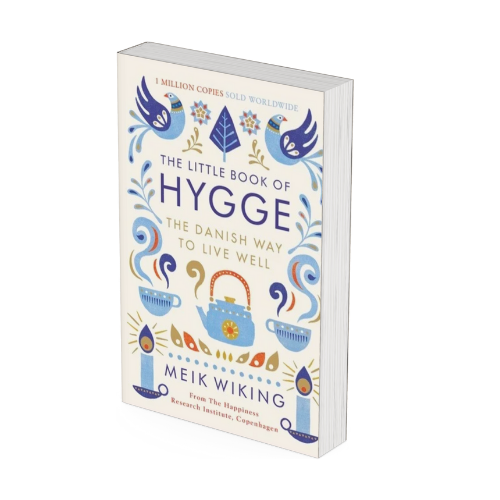
The Little Book of Hygge: The Danish Way to Live Well has readers read about “hygge,” a concept coined out of Danish for “cosiness” or “contentment.” The point of hygge, Wiking writes, is not just to relax and rest, but to embrace warmth, togetherness and joy in our day-to-day lives.
He shows how Denmark’s joy has its roots in this old-fashioned custom. Wiking shares important aspects of hygge in the book, including soft lighting (especially candles), indulging in food and drink, embracing nature, and prioritising relationships over material possessions.
Connecting research, personal experiences, and actionable advice, he demonstrates how to infuse hygge into readers’ lives, such as the best methods of using these practices. By valuing gratitude and simplicity, the philosophy opens the door for a lot of people to be happy in each day by turning small encounters into big ones.
The Little Book of Hygge is like a refreshing remedy for anyone who feels overwhelmed or detached from life’s little pleasures. Wiking’s philosophy of happiness — focused on gratitude, mindfulness and deliberate comfort — is both simple and profound.
In a society driven to productivity, Wiking’s hygge philosophy offers a little more reason to be humbled – to slow down and find peace. A striking aspect of the book is its realistic treatment happiness. Hygge is not depicted as an impossible ideal to be fulfilled but is instead portrayed as a set of small, easily accomplished actions.
A lot of these are fairly cheap, such as candles or a set period of time with family and friends. Wiking highlights that hygge is about caring more for people and experiences than things. It’s not about a perfect picture-perfect lifestyle so much as building warm contentedness. The book also prompts its readers to rethink the importance of connection and community.
Whether it’s a peaceful evening or an informal gathering with buddies or a family meal, hygge underlines the importance of shared experiences. In our world of distracted technology, today, this kind of reminder just stands out.
And yet, when it comes to my favorite aspects, I love the emphasis on sustainability and minimalism. Hygge advises how to take the most out of his or her day by making the most out of what you have and inspire one to be creative and mindful of the environment. It’s about seeking beauty in the humble rather than the extraordinary.
Wiking’s experience in happiness research is to provide added depth to the book. His data is based on true science but it is accessible and clear, without heavy jargon and no complexities. Wiking’s notion of hygge provides real relevance for professionals in coaching, therapy, and wellness. On Hygge as a personal tool, it provides a practical means of creating a sustainable and effective self-care for you which emphasizes mental health and emotional health.
I’d encourage clients for the team to implement what we’d learnt from The Little Book of Hygge.
Foster a Cosy Home Life: Create a cozy environment at home and promote an atmosphere of relaxation by introducing light and comfortable lighting by installing candles and soft furnishings.
Favour Relationships That Matter: You should put emphasis on deepening connections through time spent together (like a little get together, a dinner or a happy hour) rather than big gatherings or an impersonal occasion.
Take Up Sustainability and Minimalism as a Priority: Encourage using and enjoying what you have. This way, stress is alleviated and learning a lot of mindfulness is encouraged.
Mindfully Gratify: Hygge teaches focusing on the small pleasures in life. Assist clients in recognizing the good in their day.
Be Present and Slow Down: Clients often s
eem to live in a world that moves at breakneck speed, and encouraging clients to slow down and savour, such as a good meal or a good conversation, can greatly benefit you; it doesn’t matter how we treat you.
Incorporate Comfort Into Self-Care: Emphasize that comfort can increase emotional resilience and also lead to relaxation in the face of difficult situations and stressful activities.
Reinstate the Return to Simple pleasures: Encourage patients that happiness can be accomplished primarily in the routine, such as reading a book or spending time in nature.
In Summary.
Meik Wiking’s The Little Book of Hygge has practical notes on enjoying some of life’s small pleasures. It’s in favor of a life focused on warmth and intimacy. Inspired by such, readers may feel relieved of stress, be less busy overall and find a more harmonious way of life;
The Little Book of Hygge
by Meik Wiking
d fulfilling way of living.
Danish writer and researcher Meik Wiking researches happiness, well-being, and the quality of life. As CEO of the Happiness Research Institute in Copenhagen, he is known for his relaxed style as well as his profound acquaintance with Scandinavian culture—especially Danish traditions.
His books, both widely acclaimed and recognized by international scholars for their depth of discovery, explore the origins of happiness and what sort of things one can bring to a life that fits into it. Wiking speaks to those in need of practical advice, that is informed as much by culture as by experience.
The Little Book of Hygge: The Danish Way to Live Well has readers read about “hygge,” a concept coined out of Danish for “cosiness” or “contentment.” The point of hygge, Wiking writes, is not just to relax and rest, but to embrace warmth, togetherness and joy in our day-to-day lives.
He shows how Denmark’s joy has its roots in this old-fashioned custom. Wiking shares important aspects of hygge in the book, including soft lighting (especially candles), indulging in food and drink, embracing nature, and prioritising relationships over material possessions.
Connecting research, personal experiences, and actionable advice, he demonstrates how to infuse hygge into readers’ lives, such as the best methods of using these practices. By valuing gratitude and simplicity, the philosophy opens the door for a lot of people to be happy in each day by turning small encounters into big ones.
The Little Book of Hygge is like a refreshing remedy for anyone who feels overwhelmed or detached from life’s little pleasures. Wiking’s philosophy of happiness — focused on gratitude, mindfulness and deliberate comfort — is both simple and profound.
In a society driven to productivity, Wiking’s hygge philosophy offers a little more reason to be humbled – to slow down and find peace. A striking aspect of the book is its realistic treatment happiness. Hygge is not depicted as an impossible ideal to be fulfilled but is instead portrayed as a set of small, easily accomplished actions.
A lot of these are fairly cheap, such as candles or a set period of time with family and friends. Wiking highlights that hygge is about caring more for people and experiences than things. It’s not about a perfect picture-perfect lifestyle so much as building warm contentedness. The book also prompts its readers to rethink the importance of connection and community.
Whether it’s a peaceful evening or an informal gathering with buddies or a family meal, hygge underlines the importance of shared experiences. In our world of distracted technology, today, this kind of reminder just stands out.
And yet, when it comes to my favorite aspects, I love the emphasis on sustainability and minimalism. Hygge advises how to take the most out of his or her day by making the most out of what you have and inspire one to be creative and mindful of the environment. It’s about seeking beauty in the humble rather than the extraordinary.
Wiking’s experience in happiness research is to provide added depth to the book. His data is based on true science but it is accessible and clear, without heavy jargon and no complexities. Wiking’s notion of hygge provides real relevance for professionals in coaching, therapy, and wellness. On Hygge as a personal tool, it provides a practical means of creating a sustainable and effective self-care for you which emphasizes mental health and emotional health.
I’d encourage clients for the team to implement what we’d learnt from The Little Book of Hygge.
Foster a Cosy Home Life: Create a cozy environment at home and promote an atmosphere of relaxation by introducing light and comfortable lighting by installing candles and soft furnishings.
Favour Relationships That Matter: You should put emphasis on deepening connections through time spent together (like a little get together, a dinner or a happy hour) rather than big gatherings or an impersonal occasion.
Take Up Sustainability and Minimalism as a Priority: Encourage using and enjoying what you have. This way, stress is alleviated and learning a lot of mindfulness is encouraged.
Mindfully Gratify: Hygge teaches focusing on the small pleasures in life. Assist clients in recognizing the good in their day.
Be Present and Slow Down: Clients often s
eem to live in a world that moves at breakneck speed, and encouraging clients to slow down and savour, such as a good meal or a good conversation, can greatly benefit you; it doesn’t matter how we treat you.
Incorporate Comfort Into Self-Care: Emphasize that comfort can increase emotional resilience and also lead to relaxation in the face of difficult situations and stressful activities.
Reinstate the Return to Simple pleasures: Encourage patients that happiness can be accomplished primarily in the routine, such as reading a book or spending time in nature.
In Summary.
Meik Wiking’s The Little Book of Hygge has practical notes on enjoying some of life’s small pleasures. It’s in favor of a life focused on warmth and intimacy. Inspired by such, readers may feel relieved of stress, be less busy overall and find a more harmonious way of life;
“The only way to make sense out of change is to plunge into it, move with it, and join the dance.”
Recent Thoughts

Performance Lab Environment for Mental Clarity and Focus
High performers are seldom incompetent. They struggle with carryover. Carryover of stress. Carryover of emotion. Carryover of intensity from one room to another.

High Performance Without Burnout
When work is in the high performers’ way, it is very addictive. They are quick, decisive, disciplined, competitive and outcome-oriented. They raise standards.